
Yemekten Sonra Çatal-Bıçak Takımını Nasıl Yerleştirilir: Yemek Adabı Dilini Anlamak
Giriş
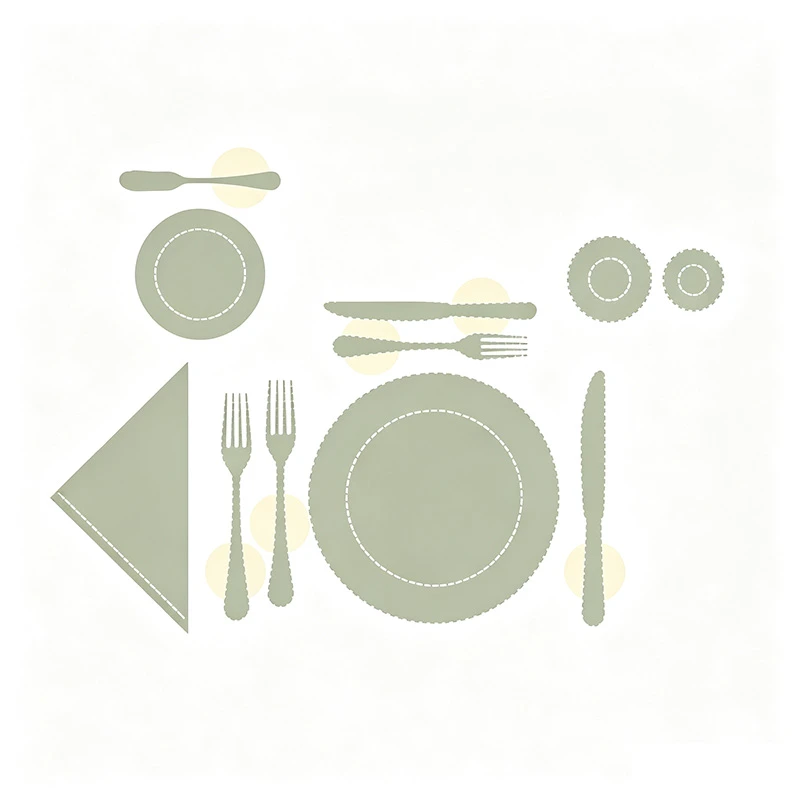
Çatal-Bıçak Dil: Sofra Adabından Daha Fazlası
Birçok yemek kültüründe, elinizin konumu çatal-bıçak takımı Tek kelime etmeden bir hikâye anlatır. İster kısa bir mola verin, ister yemeğinizi bitirin, ister masadan kalkın, çatal bıçaklarınızı yerleştirme şekliniz, restoran personelinin niyetinizi anlamasına yardımcı olur ve hizmetin sorunsuz ve göze batmadan devam etmesini sağlar.
Her ne kadar yemek adetleri ülkeden ülkeye biraz farklılık gösterse de, bu görgü kuralları restoranlarda, otellerde ve resmi yemek ortamlarında yaygın olarak kabul görmektedir. Bunları öğrenmek, ister misafir ağırlarken, ister bir iş yemeğine katılırken, ister sadece evde özel bir yemeğin tadını çıkarırken olsun, kendinizi daha güvende hissetmenizi sağlayabilir.
İlk Ders Sırasında
Kaşığınızı veya Çatalınızı Nasıl Tutmalısınız?
Çorba, tatlı ya da tek bir çatal-kaşık kullanılarak yenilen başka bir yemek servisi sırasında, kaşığınızın veya çatalınızın konumu, yemek sırasında ara verdiğinizi mi yoksa yemeğinizi bitirdiğinizi mi gösterir.
Çatal bıçağı tabağın üzerinde bırakmak, masanın temiz kalmasına yardımcı olur ve servis personelinin gereksiz müdahalelerini önler.
Kısa Bir Mola Vermek
İçkinizin tadını çıkarmak ya da bir porsiyon daha almak için biraz zamana mı ihtiyacınız var?
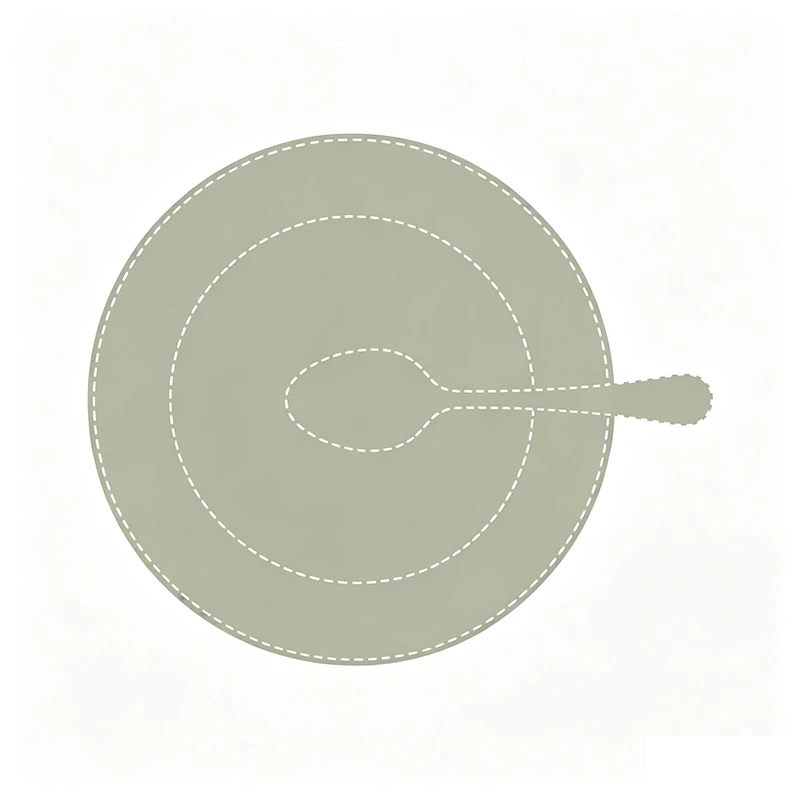
Kaşığınızı veya çatalınızı, sapı şuraya doğru bakacak şekilde tabağın üzerine yatay olarak yerleştirin: 3 saat yönü. Bu basit düzenleme, garsona hâlâ yemek yediğinizi ve tabağınızın masada kalması gerektiğini bildirir.
Bu duruşu benimsemek, kafa karışıklığını önler ve yemeğin kendi temponuzda devam etmesini sağlar.
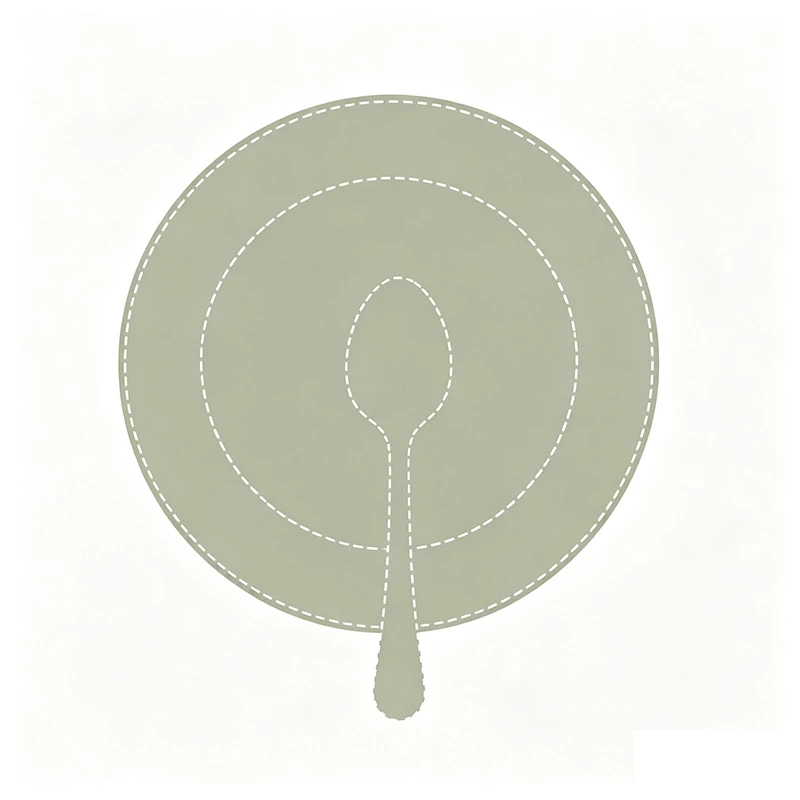
Tamamlandı — İngiliz Tarzı
İlk yemeği bitirdikten sonra, kaşığı veya çatalı sapı şu yöne bakacak şekilde tabağa düzgünce yerleştirin: 6:30, tıpkı bir saatin akrep ve yelkovanı gibi.
Bu geleneksel İngiliz tarzı düzenleme, yemeğin bittiğini ve tabağınızın kaldırılabileceğini açıkça gösterir.
Çatal bıçağı tamamen tabağın üzerinde tutmak da iyi bir yemek adabı örneğidir.
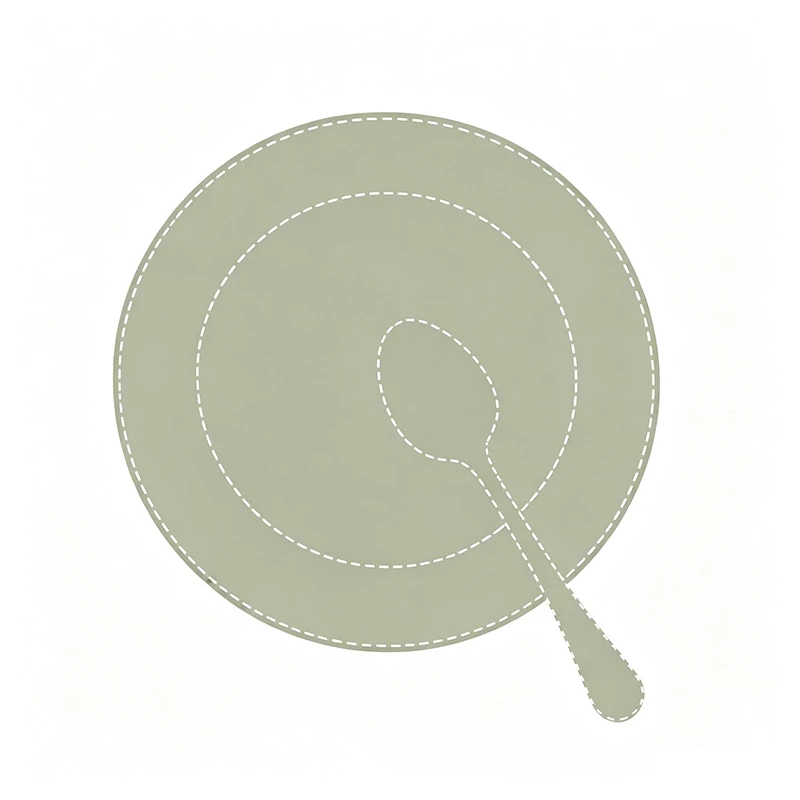
Tamamlandı — Fransız Tarzı
Fransız yemek adabında, aynı mesaj biraz farklı bir şekilde aktarılır.
Kaşık ya da çatal, saat 6:30 yönünü göstermek yerine, sapı şu yöne bakacak şekilde yerleştirilir: 4:20.
Açı değişse de anlamı tamamen aynı kalır: Yemeğinizi bitirdiniz ve tabağınız kaldırılmaya hazır.
Ana Yemek Sırasında
Hem Bıçak Hem de Çatalı Kullanma
Ana yemek yerken, misafirler genellikle hem bıçak hem de çatal kullanır. Bunların tabaktaki konumu, servis personeli ile iletişim kurmanın başlıca yolu haline gelir.
İster kısa bir ara verin ister yemeğinizi bitirmiş olun, her iki çatal bıçağı da tabağa düzgün bir şekilde yerleştirmek, uygun bir davranış olarak kabul edilir.
Yemek Sırasında Ara Vermek
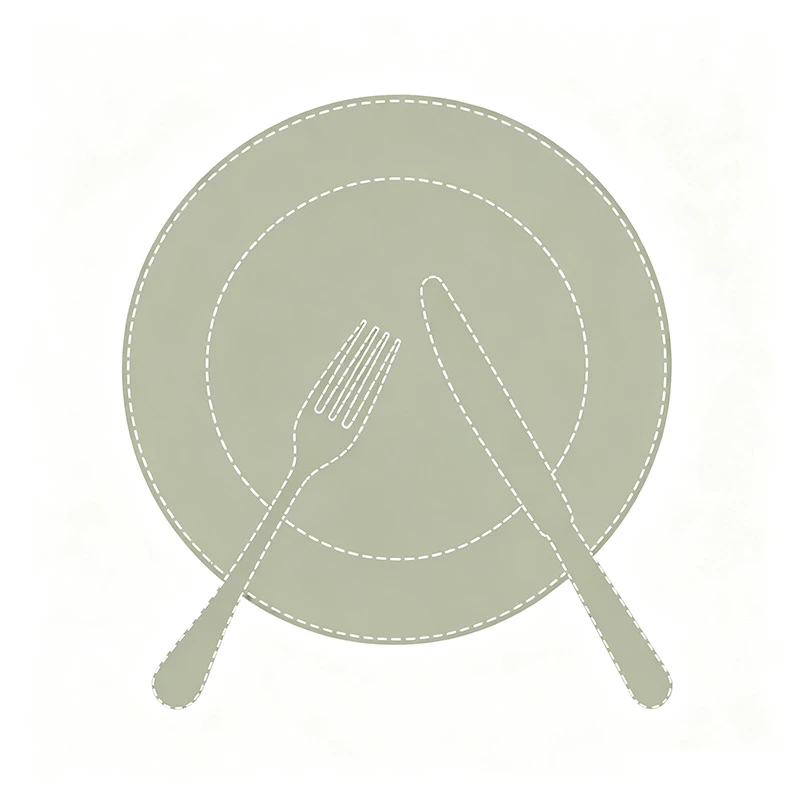
Ana yemeğinizi henüz bitirmemişseniz ama ara vermeniz gerekiyorsa, çatalınızı sol tarafta şunun etrafına yerleştirin Saat 7 ve sağdaki bıçak da yaklaşık olarak Saat 4, bıçağın kesici kenarı içe doğru bakacak şekilde.
Bu açık pozisyon, sunucuya hâlâ yemeğinizi yediğinizi bildirir.
Bıçağı veya çatalı doğrudan masa örtüsünün üzerine koymaktan kaçının; zira bu genellikle hijyenik olmadığı kabul edilir ve servis sırasında karışıklığa yol açabilir.
Tamamlandı — İngiliz Tarzı
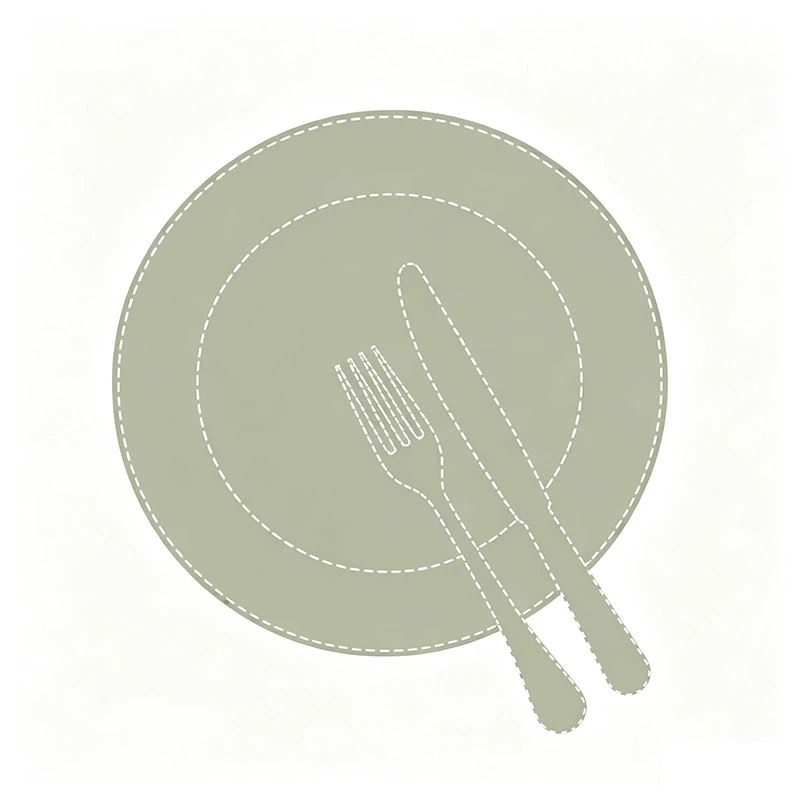
Ana yemeği bitirdiğinizde, bıçağı ve çatalı yan yana, sapları tabağın üzerine dayanacak ve şu yöne bakacak şekilde yerleştirin: 6:30.
Bıçağın kesici kısmı her zaman çatalın iç tarafına doğru bakmalıdır.
Bu uygulama, İngiliz tarzı yemek kültüründe yaygın olarak kabul görmektedir ve garsonun, yemeğinizi bitirip bitirmediğinizi sormadan tabağınızı kaldırmasına olanak tanır.
Tamamlandı — Fransız Tarzı
Fransız yemek adabı ise biraz farklı bir bakış açısı benimsemektedir.
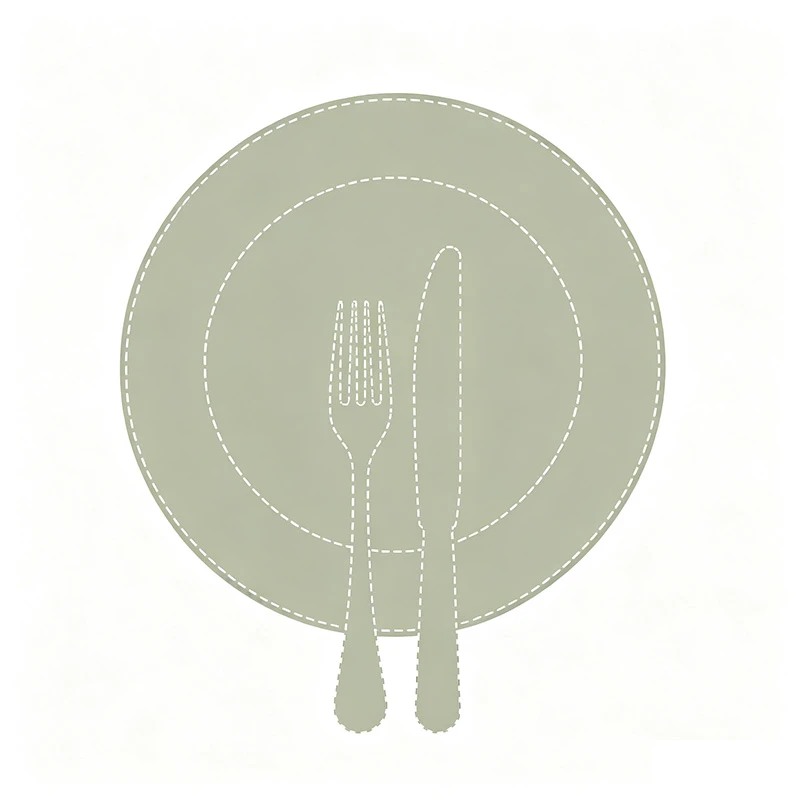
Hem bıçak hem de çatal, sapları şuraya doğru bakacak şekilde paralel olarak yerleştirilir 4:20 tabakta.
Her ne kadar yerleştirme şekli İngiliz tarzından farklı olsa da, anlamı aynıdır: Yemek sona ermiştir ve tabak kaldırılmaya hazırdır.
Peçetenizi Unutmayın
Peçete, yemek adabının bir başka önemli unsurudur.
Oturduktan sonra, peçetenizi açın ve yemek başlamadan önce kucağınıza yerleştirin.
Masadan geçici olarak ayrılmanız gerekirse, peçeteyi masanın üzerine değil, sandalyenizin üzerine gevşek bir şekilde yerleştirin.
Yemek bittiğinde, peçeteyi düzgün bir şekilde tabağınızın sol tarafı. Mükemmel bir şekilde katlanmasına gerek yoktur; çoğu resmi yemek ortamında, doğal haliyle bırakılması daha uygun kabul edilir.
Küçük Ayrıntılar Daha İyi Bir Yemek Deneyimi Yaratır
Şu dilin anlaşılması: çatal-bıçak takımı Bu, katı kuralları ezberlemekle ilgili değil; ortak yemekleri herkes için daha rahat hale getirmekle ilgilidir. Bıçağınızı, çatalınızı veya kaşığınızı doğru şekilde yerleştirmek gibi basit davranışlar, restoran personelinin sorunsuz bir hizmet sunmasına yardımcı olurken, aynı zamanda yemek yediğiniz kişilere karşı da saygı göstermiş olursunuz.
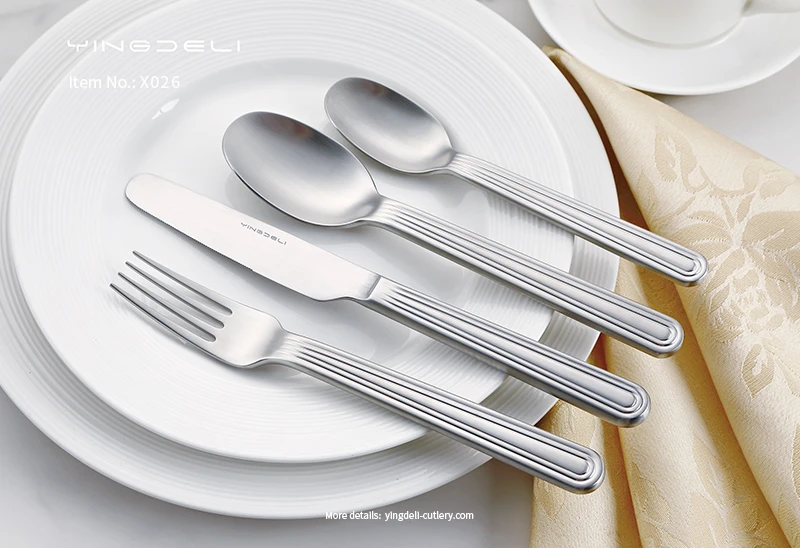
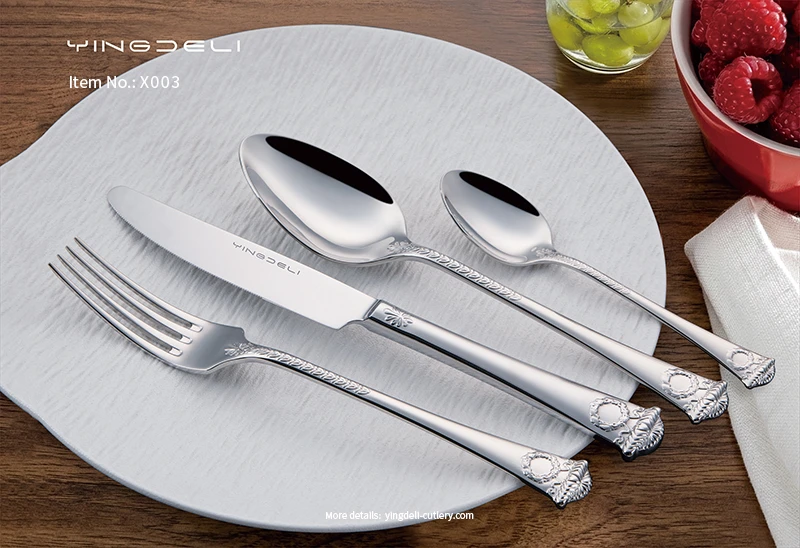
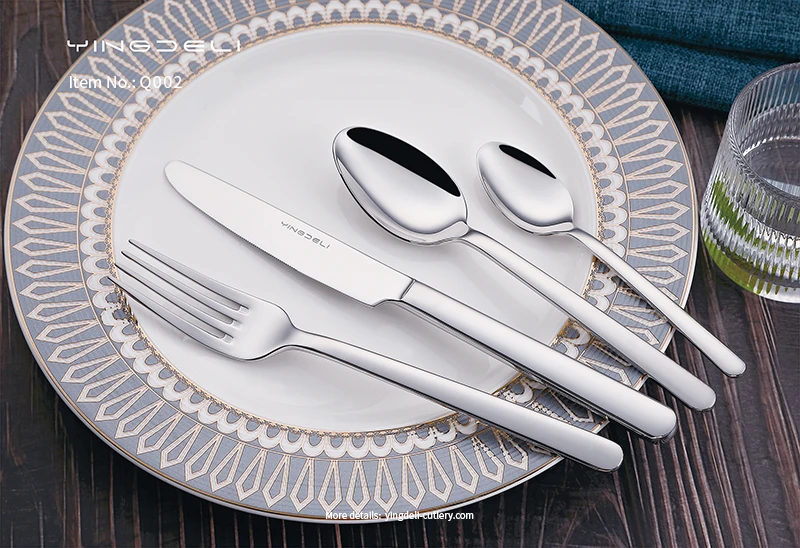
Özenle tasarlanmış paslanmaz çelik çatal-bıçak takımlarıyla bir araya geldiğinde, bu görgü kuralları hem günlük yemekleri hem de resmi davetleri daha özel hale getirebilir. Koleksiyonlar: Yingdeli Çatal Bıçak Takımı Denge, konfor ve zamansız bir stil göz önünde bulundurularak tasarlanmış olup, hem zarif hem de sıcak bir atmosfer sunan yemek deneyimleri yaratmaya yardımcı olurlar.
 Türkçe
  English
  العربية